08 November 2026
Vet Near Me Spotlight: Prairieville Animal Hospital’s Comprehensive Care
Presented by @waylongsex759
For pet owners in and around Prairieville, finding a clinic that balances clinical rigor with practical compassion is a quiet relief. Prairieville Animal Hospital has built its reputation on steady feet and steady hands. The clinic has grown from a neighborhood facility into a resource for preventive care, urgent visits, and the kind of ongoing relationship you want with a veterinary team. This piece isn’t a sales pitch. It’s a window into how a clinic can translate medical knowledge into everyday trust, with attention to the real dogs, cats, and small-mouthered friends that fill our days with both routine and drama.
A practical starting point is the sense that care starts long before a veterinary appointment. You can feel it in the storefront staging—the clean lobby with a shelf of chew toys, the visible clean rooms, the reception staff who remember a dog’s name as if it were your own. It’s in the kind of triage that puts anxious owners at ease without turning the exam into a ceremony of fear. Prairieville Animal Hospital has learned that veterinary medicine lives in the intersection of science and soft skills. The science part is honest work: vaccines, diagnostics, anesthesia protocols, and surgical planning. The soft skills are about the patient’s experience, which means listening to the owner’s concerns, observing the animal’s demeanor, and translating a lab report into what matters for daily life.
The clinic’s approach to comprehensive care hinges on a few stable pillars. First is preventive pet care, a field that has matured a lot in the last decade. The idea is simple in its aim, complex in execution: keep pets from getting sick in the first place, or catch issues early enough to intervene without turning health care into a panic. Second is senior pet care, which recognizes that aging changes need a different rhythm—more frequent monitoring, adjusted diets, and a willingness to tailor treatments to a pet that has decades of spunk but also new limits. Third is a robust boarding program that preserves continuity of care when families are away. And fourth is the clinic’s readiness to handle urgent needs without elevating the stakes or the stress for the pet.
The people who work at Prairieville Animal Hospital are not just medical technicians; they are caretakers of routine, the kind of staff you notice on a walk with a dog who knows the lobby clock and sits on the scales with a calm that borders on familiarity. There is a front desk team that understands the anxiety that comes with a sudden limp or veterinary pharmacy an uncharacteristic yowl at night. There are technicians who know how the staff will interpret a pet’s body language—ears back, tail tucked, or the careful tail wag that doesn’t quite reach the eyes. And there are veterinarians who bring a broad range of experiences to the same room—some with surgical specialties, others with a strong emphasis on internal medicine, all sharing the core belief that good care starts with listening.
One of the most tangible indicators of a clinic’s approach is the way it talks about partnerships with clients. Prairieville Animal Hospital frames the relationship as a collaboration rather than a one-way instruction. You leave with a plan that you can ask questions about, estimates you can compare, and a record that you can navigate in future visits. It’s not just about a vaccination or a single procedure; it’s about a road map for a pet’s health that you can carry through shelter visits, grooming, and home care. The clinic often follows up after visits with a quick note or a phone call, a practice that many pet owners find surprisingly reassuring. It says the clinic is not just treating an illness; it is watching over an animal’s life.
Preventive pet care sits at the heart of what Prairieville Animal Hospital does best. It is a field that rewards consistency. Vaccinations are scheduled and updated in a plan that takes into account the pet’s age, lifestyle, and risk factors. A well-devised vaccination schedule isn’t about cramming vaccines into a single year; it is about pacing the patients so that immunity builds while wellness remains the primary frame of reference. The clinic’s preventive care often starts with a careful intake interview. The team asks about changes you’ve noticed in appetite, activity level, and coat condition, as well as the pet’s exposure to other animals and household risks. From there they tailor a plan that might include parasite control, dental prophylaxis, and nutrition counseling. The aim is to reduce the likelihood of emergency visits, which means education about home care and clear guidance on what constitutes a red flag.
Dental health, a sometimes overlooked pillar of preventive medicine, receives particular attention at Prairieville Animal Hospital. A pet’s mouth is more than a set of teeth; it anchors overall health. The clinic emphasizes bite strength and breath quality as practical signals owners can monitor. They use professional cleaning protocols to address tartar buildup and gingivitis, with a cadence that aligns with the pet’s risk profile. The result is not only a fresher mouth but improved systemic health over time. In many cases, owners will notice a change in energy or appetite as dental issues are resolved, which can be a quiet but meaningful improvement in daily life.
Nutrition counseling is another anchor in the preventive program. Food is not a side note; it is a central determinant of a pet’s energy level, coat condition, and longevity. Prairieville Animal Hospital doesn’t push a single brand or approach. Instead, they start with the pet’s current diet, lifestyle, and any medical concerns that might constrain options. They weigh practical considerations—cost, availability, compatibility with medications—against the ideal diet for the pet. The result is a pragmatic plan that owners can maintain without disruption to family routines. It’s common to see a chart in the exam room that outlines feeding portions by weight and activity level, a simple tool that makes it easier to stay consistent.
In clinics like Prairieville Animal Hospital, the value of routine exams adds up over time. A routine examination is not a rote checklist; it’s a chance to establish baselines for each patient. Baselines matter because they make subtle shifts visible. A dog that used to run to the door now lingers at the threshold, a cat that tolerated brushing suddenly flinches. Detecting these shifts early—before a condition becomes a crisis—can prevent pain, prolong life, and keep daily routines intact. The clinicians here use a blend of auscultation, palpation, and a careful look at the eyes, ears, and skin. They combine that hands-on exam with a review of laboratory results when necessary, balancing the instinct of a seasoned clinician with the precision of data.
For owners who must navigate the emotional weight of a sick pet, senior pet care offers a tailored framework. The aging process often comes with quiet, incremental changes that families learn to live with. Prairieville Animal Hospital recognizes that a plan must be feasible in day-to-day life, not only in the exam room. This means simplifying treatment regimens when possible, coordinating with caretakers, and scheduling check-ins that align with the owner’s routines. The goal is to maximize comfort while preserving the pet’s personality. A senior care plan might emphasize joint support, kidney function monitoring, and strategies for energy management, each tailored to the animal’s particular history. Such plans are fluid, adjusted as the pet’s needs evolve, with ongoing conversations between the veterinary team and the family.
The boarding service at Prairieville Animal Hospital is more than a kennel stay. It is an extension of the clinic’s philosophy of continuity and attention. Families who travel can rely on care that mirrors the daily routines at home. Staff members understand the importance of familiar meals, standard playtime, and timely medication administration when that is part of the routine. Boarding dogs and cats are monitored with a level of oversight that reduces the anxiety that often accompanies leaving a pet in a new place. The hospital may provide updates on visits, a quick phone call, or photo notes to reassure owners that their companion is settled. The practical truth is that boarding works best when it’s predictable, and predictability grows from careful attention to detail and a robust handoff between the care team and the owners.
The clinic’s approach to urgent care reflects a blend of preparedness and prudence. Urgent care is not about emergency theatrics; it’s about accurate triage, fast access to diagnostics, and clear communication with families about what comes next. Prairieville Animal Hospital uses a workflow that minimizes the time a worried owner spends in the waiting room while ensuring that the pet receives attention in a timely fashion. In some cases, urgent diagnoses lead to a short hospital stay for observation, which is common and appropriate when needed. The team is careful to discuss costs, alternatives, and expected outcomes openly, so families can make decisions that align with their values and resources. This transparency is a quiet strength in a field that can easily drift toward fearmongering or vague promises.
Two key elements that emerge when you spend time at Prairieville Animal Hospital are accessibility and accountability. Accessibility shows up in the hours, in the way the clinic manages after-hours calls, and in the willingness of the staff to work with you when schedules are tight. Accountability comes through a commitment to follow through on treatment plans, to revisit a diagnosis if the first assessment doesn’t resolve the problem, and to acknowledge when a plan isn’t achievable for a particular family. These are not abstract ideals but practical commitments that owners can assess after a visit or two. You notice the difference when your dog responds to a prescribed plan, when a cat stops vomiting after a short course of supportive care, or when a routine vaccination schedule fits into a busy calendar.
If you are looking for a quick snapshot of what makes Prairieville Animal Hospital special, consider the way the clinic blends standard medical practice with a genuine respect for daily life. The staff treats the exam room as a shared space rather than a stage for clinical theater. They listen for the rhythm of your household—who does the feeding, who administers the medicine, what schedules are most workable—and they adapt the care plan accordingly. The clinic does not pretend that every problem has a single, universal solution. Instead, they present options, discuss the trade-offs, and help families choose a path that honors both science and lived experience.
Two lists, as a practical reference, capture the core facets of Prairieville Animal Hospital’s comprehensive care:
-
Services you can expect in a typical visit
-
Preventive care planning, including customized vaccines and annual wellness checks
-
Dental cleanings and routine dental care guidance
-
Diagnostic testing when symptoms appear or baseline concerns arise
-
Nutrition and weight management support tailored to the animal
-
Minor procedures and in-house surgery, with careful planning and post-operative care
-
Why families stay with the clinic through changing needs
-
Consistent communication that translates medical language into everyday steps
-
A boarding option that maintains routines and reduces stress for pets
-
Senior pet care plans that adapt as health evolves
-
Transparent pricing and realistic timelines for treatments
-
A culture of accountability that revisits plans if outcomes aren’t as expected
For those who are shopping for a vet in the Prairieville area, the numbers and facts are rarely the whole story. It is the daily quality—the way a clinic handles a late-night call about a vomiting pet, or the way they track a chronic condition over months and years—that adds up. A clinic that communicates clearly, that logs changes in behavior into the medical record, and that makes preventive care the default setting is a clinic that gives families a sense of foresight rather than fear. Prairieville Animal Hospital has built a practical, human-centered model around those principles.
The practical reality of weekly life often means a patient’s earliest experiences with veterinary care are shaped by a family’s expectations, budgets, and the pet’s temperament. Some animals thrive on a routine that includes regular mild activity, consistent feeding times, and scheduled dental checks. Others require more patience and a gentler approach, especially during exams or when unfamiliar equipment is involved. In all cases, Prairieville Animal Hospital’s staff bring a balance of kindness and technical capability to bear. You can see it in the way a technician guides a nervous cat into a carrier with a minimal hiss and a trusted voice, or how a veterinarian explains a complex lab result with a short paragraph of plain language, and a printed plan for home care.
The clinic’s relationship with preventive pet care is the kind of long-term investment you feel in hindsight. You don’t notice it immediately when you drop off a dog for a routine vaccination, but you notice it when a common health issue is addressed before it becomes a problem. The advantage here is time. The team doesn’t rush you through the door. They allocate space for questions, for a discussion of potential side effects from a vaccine, for a plan that includes follow-up if the pet experiences any adverse reaction. It is not a sales pitch; it is a careful, patient conversation about what is best for the animal in the months ahead.
A note on affordability and accessibility. The language of veterinary care can drift toward the exclusive, with references to cutting-edge procedures or highly specialized equipment. Prairieville Animal Hospital keeps one foot on the practical ground. They offer a spectrum of services designed to be accessible without compromising quality. The clinic’s approach to pricing emphasizes transparency, with a straightforward estimate process, itemized services, and a clear explanation of what is included in preventive care plans. They understand that responsible pet ownership is easier when owners can anticipate costs rather than face surprise invoices. This is not about low quality at a lower price; it is about delivering value where it matters most—health, comfort, and peace of mind for both pet and owner.
The value of a local veterinary clinic also shows up in community engagement. Prairieville Animal Hospital participates in outreach events, pet health education nights, and seasonal check-ins that target common pet concerns in the area. These activities are not a marketing tactic so much as a reflection of a clinic that sees itself as part of a broader network of care. They understand that a healthy community of pets is supported by informed owners who know when to seek help, how to talk about symptoms, and where to turn for specialized care if needed. It is a quiet form of service that reinforces the reliability of the clinic in the eyes of families.
For a family weighing choices about where to take a pet, the decision often hinges on small, repeatable experiences. Do you feel heard when you ask a question? Do you leave with a plan you can implement at home without framing the problem as a medical mystery? Are there scheduling options that fit your calendar, not just the clinic’s? Prairieville Animal Hospital’s answers to these questions are reinforced by the week-to-week logistics of running a busy veterinary practice. They know that daily life is full of trade-offs: you may have limited time for long visits, you may need to split care across multiple day parts, you may balance pet comfort with the need for thorough examination. The clinic’s design anticipates these realities and builds in flexibility.
If there is a single thread that runs through Prairieville Animal Hospital’s work, it is the practical philosophy that medical care should be a partnership. It should respect the pet’s well-being and the family’s resources while preserving the dignity of the animal. It should be precise enough to address the problem and flexible enough to adapt when life events shift. It should be available in a way that invites questions, not in a way that shuts them down. In this spirit, the clinic remains a steady option for preventive care, urgent needs, senior care, and comfortable boarding. It is a place where the relationship between human and animal can deepen over time rather than stagnate in routine.
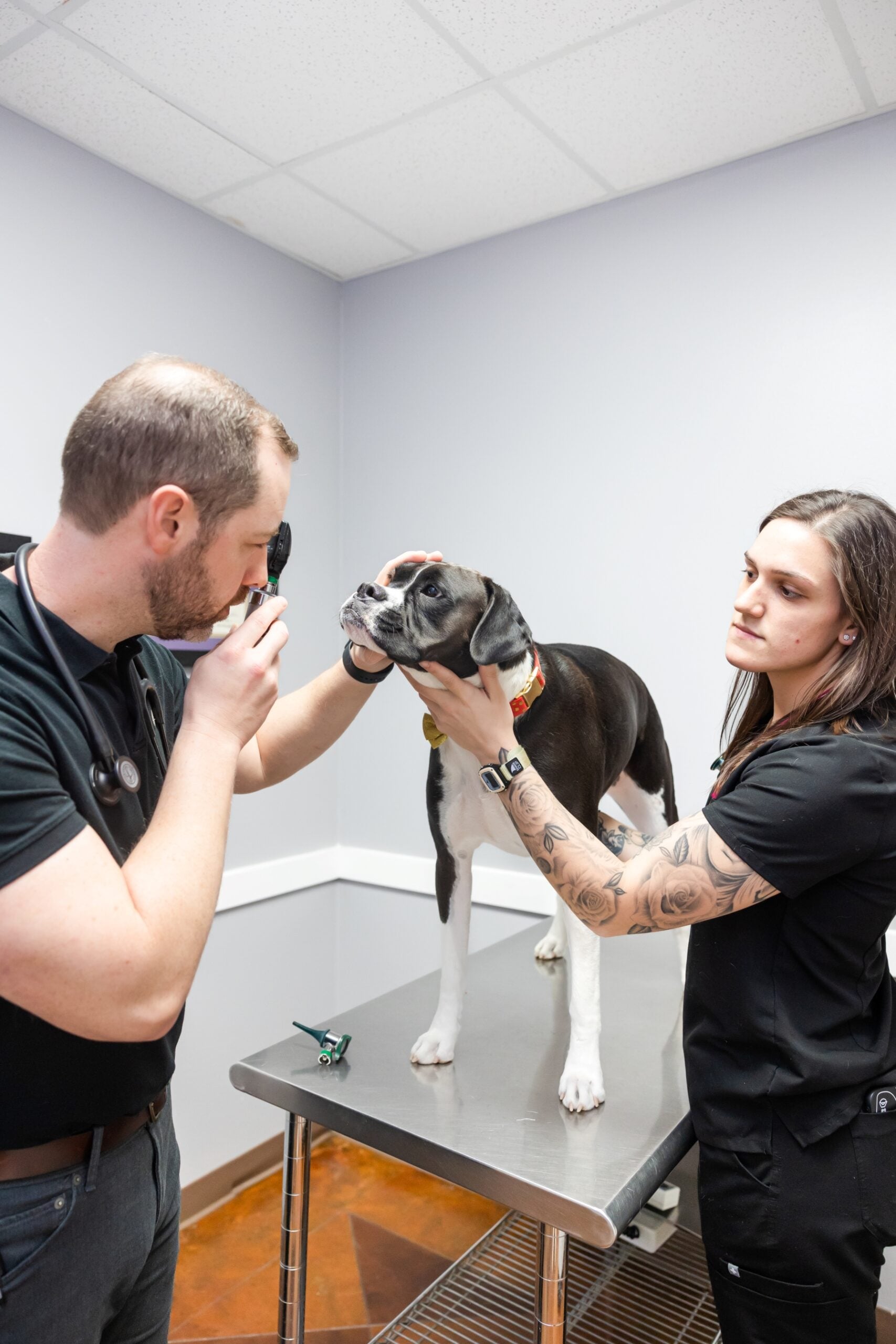
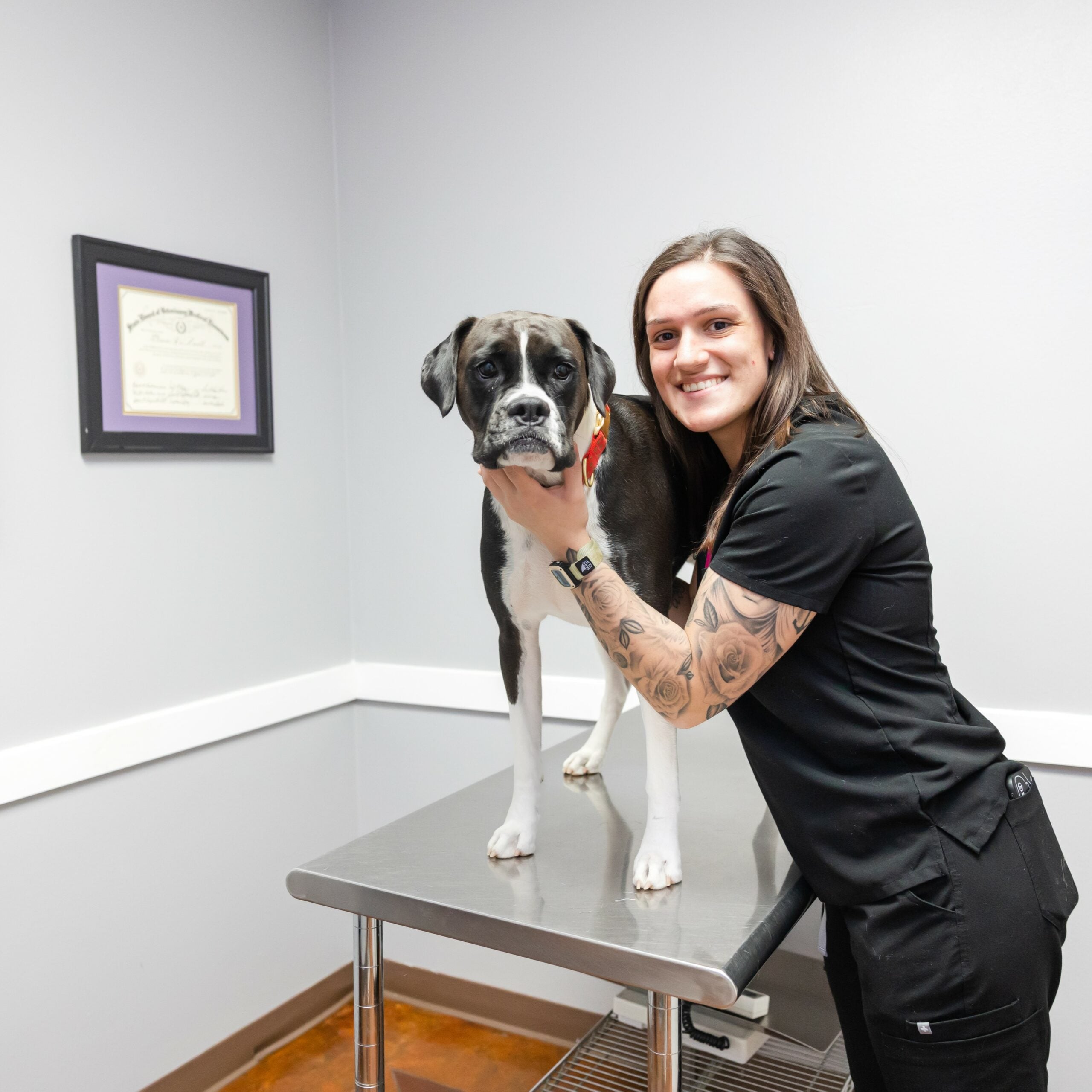
If you are curious about how a clinic translates this philosophy into everyday practice, consider a typical week. Monday might begin with routine wellness checks and a string of vaccinations, followed by a dental cleaning in the late afternoon. Tuesday could see a mix of surgical planning for a spay or neuter, a few weight management consultations, and a couple of urgent care visits for minor injuries. Midweek might focus on senior pet care, with blood work panels and dietary adjustments for older dogs and cats, and a boarding intake that helps families prepare for a weekend away. The end of the week, often the busiest, tests the clinic’s ability to maintain attention to detail while juggling multiple priorities. And in every case, there is a thread of clear communication that helps owners feel comfortable with the plan and confident about the next steps.
The nature of veterinary medicine is inherently forward-looking. The data you collect today informs the choices you make tomorrow. Prairieville Animal Hospital embodies that forward orientation. They are mindful that each patient is more than a case number, more than a chart entry, more than a set of symptoms. They are a living creature with a daily life, a family that relies on them, and moments of joy and vulnerability that define the human-animal bond. The clinic respects that bond with a careful, earnest, and practical approach to care that is both accessible and rigorous.

In closing, Prairieville Animal Hospital’s comprehensive care is not a marketing slogan. It is an operating principle that unfolds in the details of daily work: the way exams begin with a respectful greeting, the way home care instructions are written in plain language, the way appointments are scheduled with flexibility, and the way a patient, scheduled for a routine dental, comes home with a clearer path to better health. For families who want a veterinary partner that understands the rhythm of everyday life, the clinic offers a stabilizing presence—a place where care is steady, where expertise is clear, and where the wellbeing of pets remains the central focus. That combination—practical skill and steady, humane attention—defines Prairieville Animal Hospital’s approach to comprehensive care.