09 November 2026
Vaccinations for Pets Prairieville Animal Hospital: Risks and Benefits
Presented by @waylongsex759
Vaccinations sit at the core of preventive care for pets. Over the years I have spent countless hours in clinic rooms listening to owners weigh concerns about vaccines against the quiet but powerful protection they offer. The topic isn’t simply a medical decision; it is a stewardship decision. It shapes how a family and a pet navigate the first years of life, travel plans, and the little surprises that curiosity drives animals to encounter. Prairieville Animal Hospital has built a vaccination program that emphasizes clarity, individualized planning, and an honest appraisal of risks and benefits. This piece reflects real-world practice, not a checklist devoid of nuance.
Understanding what vaccines do helps set the stage. A vaccine is a controlled exposure to a tiny, managed dose of an organism or a piece of its structure. The goal is not to make a pet sick but to prime the immune system to recognize and respond swiftly if a real exposure occurs. When a vaccinated pet encounters the same organism later, their immune system can respond with antibodies and immune cells that keep the infection from taking hold, or at least reduce its severity. The logic is straightforward, but the biology is layered. Immune responses vary by species, age, health status, and even genetics. A veterinarian at Prairieville Animal Hospital considers all of these moving parts when proposing a vaccine plan.
The decision to vaccinate is not universal in the abstract. It unfolds best when it starts with a clear picture of a pet’s life: indoor or outdoor experiences, contact with other animals, travel, and the presence of people with vulnerable immune systems in the home. A family with a dog that spends long days at a doggy day care, for example, faces a different exposure landscape than a mostly indoor cat who visits the occasional boarding facility. The clinic’s approach balances protection with the realities of pet life, trying to achieve the safest possible risk-to-benefit ratio.
A practical consideration that often goes underappreciated is timing. The immune system matures over weeks and months. Puppies and kittens start with maternal antibodies that gradually wane; this window can be a tricky vulnerability period. The veterinary team at Prairieville Animal Hospital uses vaccination schedules that align with immune development while keeping a guard up against preventable disease. The goal is to set the animal up for durable protection without leaving them exposed at vulnerable moments. Parents frequently ask about the length of protection and when boosters are needed. The answer varies by vaccine, animal, and environment. In practice, most vaccines deliver protections that last months to several years, with periodic boosters recommended to maintain immunity.
The most robust way to approach vaccination is through a plan tied to wellness visits. A pet wellness exam at Prairieville Animal Hospital is more than a routine checkup. It is an opportunity to review lifestyle, exposure risk, and health status. When a vaccine becomes a central or optional piece of care, the exam provides the context that makes the choice meaningful. The veterinarian can discuss recent illnesses, current medications, chronic conditions, and the pet’s growth or aging trajectory. A well-built plan evolves with the animal, not in a vacuum.
In the choice between vaccinating now and delaying a shot for the sake of a anxious moment, there is often a middle path. Some vaccines are essential for every animal, while others are recommended based on risk. There are situations where a clinician might adjust the schedule because of age, concurrent illness, or a recent reaction to a vaccine. This adaptability is not a sign of uncertainty; it is a sign of responsible medicine. It acknowledges the dynamic nature of health and the unique life of each patient, inside a practice that values transparency and long-term welfare.
What vaccines aim to prevent in practice matters because diseases differ in how they affect pets and communities. Distilling risk into everyday terms helps families grasp why certain vaccines exist. For some diseases, exposure is a rare event in urban settings; for others, it is an ongoing challenge even in a well-managed household. Prairieville Animal Hospital keeps this nuance in view when outlining a vaccination plan. The clinic does not push every possible shot, but it does advocate for vaccines that reliably reduce serious disease risk and that fit the pet’s environment and lifestyle.
The decision to vaccinate also involves examining potential adverse events. Vaccines are biological products, and as with any medicine, there is a small chance of a reaction. In clinical practice, reactions are infrequent, typically mild, and manageable. Most owners will experience a brief soreness at the injection site, a temporary fever, or a momentary decrease in activity. More serious reactions exist, though they are rare. Knowledgeable veterinary teams track, recognize, and treat these events promptly. Prairieville Animal Hospital maintains the skill and resources to manage adverse events effectively should they occur. The objective is not to eliminate risk entirely, which is impossible in medicine, but to minimize it while maximizing public and individual protection.
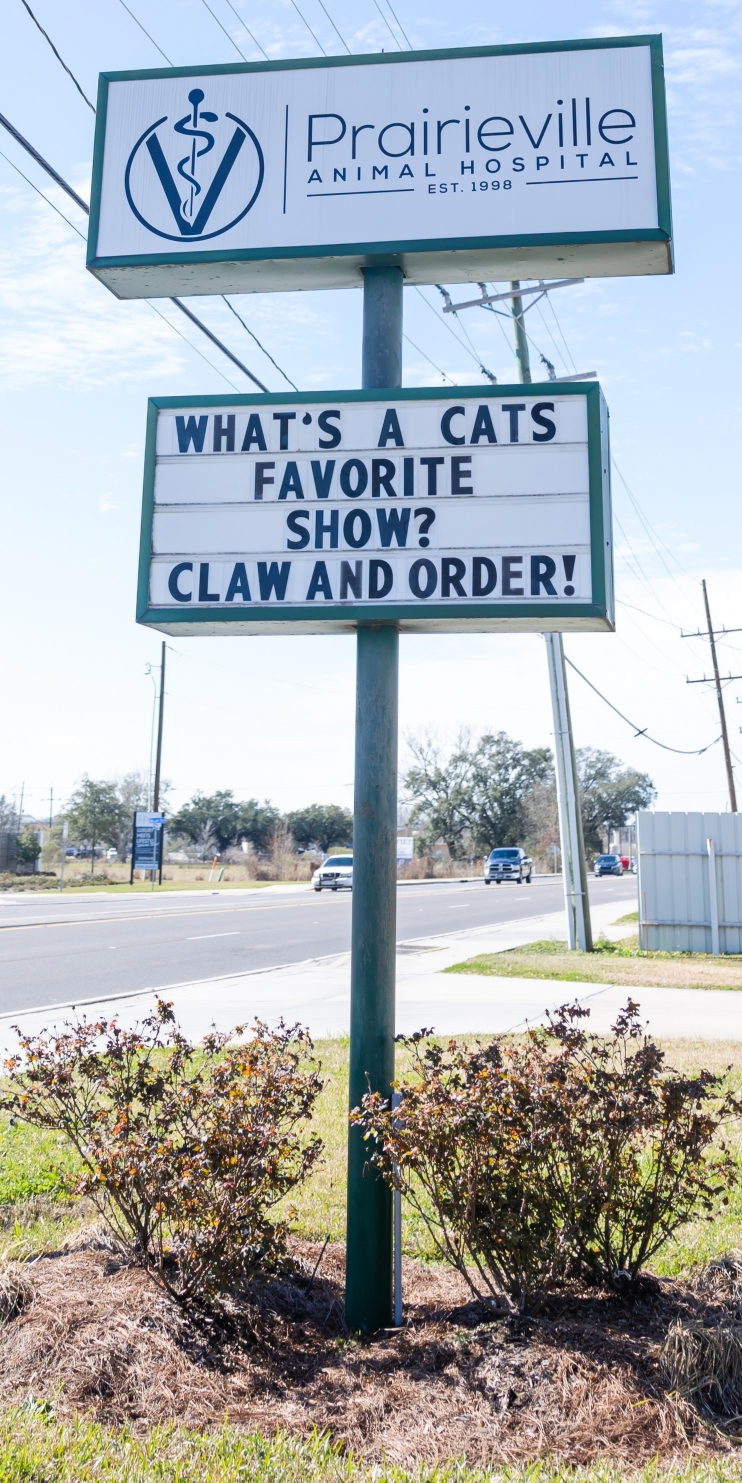
The benefits of vaccination extend beyond the individual animal. Herd immunity, a familiar term from human medicine, has an analog in animal health. When a large proportion of pets in a neighborhood are vaccinated, the spread of contagious diseases slows down or even halts. This reduces the chance of outbreaks, protects pets with weakened immune systems months before vaccines are due, and supports a healthier community overall. It is a principle that resonates with families who value responsible pet ownership and the safety nets that good medical care can provide.
Every vaccine carries its own risk-benefit profile. Some vaccines have a long track record of safety and effectiveness, with decades of field data. Others are relatively newer or more targeted for certain circumstances. Prairieville Animal Hospital keeps a careful eye on the evidence, balancing it against the pet’s age, medical history, and the owner’s comfort level. The clinic does not operate on fear-driven selling of vaccines. It aims for clarity about what a vaccine protects against, how the protection translates into lived health outcomes, and what the potential drawbacks might be in a given case.
A practical, family-centered approach to vaccines begins before any shot is given. Owners should feel comfortable asking questions, especially about what is being protected, how the immune system will respond, what the schedule looks like, and what signs of a reaction to watch for after a visit. A good veterinary visit will include a discussion of the pet’s medical history, lifestyle, and any medications or supplements that could influence immune function. The aim is to empower families to participate in the decision with a shared understanding of the risks, benefits, and expectations.
Common vaccines and their roles in everyday life
Vaccines are not one-size-fits-all. While many vaccines are standard, the degree of necessity can shift with the pet’s life stage and living conditions. A robust vaccination plan considers which shots are essential and which are optional, and it documents the rationale for each choice. In many cases, a core set of vaccines provides broad protection against diseases with severe consequences. The term core is used to describe vaccines recommended for all animals, regardless of lifestyle, due to the severity of the disease and the ease with which it can spread.
A straightforward part of the discussion at Prairieville Animal Hospital concerns disease prevention beyond the obvious. Rabies is a core vaccine in most jurisdictions due to the severe public health implications of disease transmission and the fatal outcome of infection. Other core vaccines address diseases that commonly affect animals, even when the animals live indoors. The team explains that a dog’s early life will typically include vaccines that guard against parvovirus, distemper, and adenovirus, while a cat’s routine usually includes protection against panleukopenia, calicivirus, and herpesvirus. The practical aim is to minimize the chance of illness during the years when pet owners are most likely to seek medical care for a preventable disease.
Non-core vaccines are more situational. They reflect a pet’s exposure risk, which can change with travel, boarding, or a move to a new home with different disease prevalence. A dog that spends time at a kennel or with other dogs may benefit from Bordetella vaccines designed to reduce the likelihood of kennel cough. A cat that travels to wildlife-rich areas may receive vaccines that broaden protection against certain risks that are less common in the home environment. The clinic’s approach emphasizes tailoring, not blanket administration. The owner is invited to participate in a plan that makes sense for the pet’s daily life and the family’s peace of mind.
Common vaccines typically recommended for most pets, and the rationale behind them, help anchor conversations about risk and benefit. The clinic’s vaccination schedules reflect both what has been proven to reduce disease burden and what is practically feasible for families to maintain. In this sense, vaccination becomes a continuity of care rather than a single event. The pet’s health record, owner observations, and clinical findings all contribute to a living plan that evolves over years.
Two lists to illuminate the practical parts of the conversation
-
Common vaccines typically recommended for many dogs and cats include Rabies, Distemper, Adenovirus, Parvovirus or Panleukopenia in cats, and Bordetella for those with higher exposure risk. These items represent vaccines that are frequently part of standard plans and often required for licensing, boarding, or travel. The exact combination a family ends up with depends on age, health, and lifestyle, but the core concept remains consistent: prioritize diseases with serious outcomes and high community transmission potential.
-
A separate, important consideration is recognizing and responding to adverse reactions. Most reactions are mild and short lived but can occur after any vaccine. Common signs to monitor after a vaccination include increased sleepiness or mild lethargy, reduced appetite, local swelling at the injection site, and slight fever. Some pets may vomit or have soft stools. In rare circumstances, more dramatic reactions such as swelling around the face or throat, wheezing, or vomiting can occur and require prompt veterinary attention.
What to watch for after a vaccine
After a shot at Prairieville Animal Hospital, owners should keep a watchful eye for changes in behavior and physical signs in the first 24 to 72 hours. Mild, temporary discomfort is normal, but persistent distress warrants a quick check in. A practical rule of thumb is to observe energy levels and appetite for a day or two, and check the injection site for swelling larger than a few centimeters. If you notice persistent limpness in a limb, breathing discomfort, fainting, or anything that feels out of the ordinary, contact the clinic promptly. The staff are accustomed to guiding families through safe, responsible responses, and they will instruct whether an examination is necessary or if home care is appropriate.
Handling vaccines responsibly also means maintaining a reliable record. Pet owners who travel or move should bring along the vaccination history. Prairieville Animal Hospital provides documentation that is clear and easy to interpret, so boarding facilities and groomers can verify compliance quickly. The record is not just a log; it is a tool that helps the veterinarian tailor future vaccine choices as the pet ages. For example, an animal with a history of immune-mediated conditions may require a modified schedule or spacing between vaccines. The goal is not to push standard timing blindly but to adjust according to the animal’s response and health status.
Edge cases and exceptions you might encounter
There are times when a vaccine plan needs adjustment because of underlying conditions. A pet with a recently diagnosed illness, an acute infection, or a compromised immune system may not be a candidate for certain vaccines until stability improves. In these scenarios the veterinarian may propose postponing nonessential vaccines and focusing on vaccines that protect against life-threatening diseases. The decision is always a discussion with the owner, balancing the immediate health needs with the longer-term goal of disease prevention. A patient who has reacted to a prior vaccine might require a different product or an alternative schedule under careful supervision. The clinic’s protocol emphasizes clear communication and shared decision-making, not coercion or fear.
Another nuance arises with age. Very young animals begin life with a particular vulnerability window, and older pets may have different risk profiles. Age alone does not determine a given vaccination plan, but it is a major factor. A senior dog with heart disease, for example, may still benefit from vaccines, but the risks and timing could differ from a middle-aged, healthy pet. The veterinarian weighs the breadth and depth of protection against potential stress or side effects. In practice, this means more individualized conversations and, when appropriate, a plan that integrates vaccination with other ongoing health strategies such as dental care and parasite control.
Practical scheduling and the well visit
A reliable vaccination strategy hinges on a consistent schedule aligned with wellness visits. Prairieville Animal Hospital uses a rhythm that blends protection with the natural cadence of a pet’s life. Puppies often begin vaccines at eight weeks, with boosters every three to four weeks until they reach about 16 weeks, followed by annual or semiannual checks depending on the vaccine. Kittens have a parallel schedule with specific intervals that reflect their rapid early development. After the initial series, many vaccines are boosted at longer intervals to sustain protective immunity. The exact timeline can shift based on individual risk factors and prior exposure history, but the structure remains focused on building robust, durable protection.
The wellness exam serves a dual purpose. It monitors general growth and development, but it also provides a moment to revisit vaccination needs. Are there new exposures, such as a family member bringing a new pet home, or a plan to travel that would require certain vaccines? The answers to questions like these help refine the plan. The veterinary team at Prairieville Animal Hospital approaches the exam with a balance of scientific evidence and practical insight gained from years of clinical experience. They understand that families want predictable routines and humane care, and they strive to deliver both.

Beyond vaccines: a broader preventive framework
Vaccinations work best when they sit inside a comprehensive wellness plan. This means routine dental care, parasite control, nutrition guidance, weight management, and regular physical examinations. The goal is to reduce all plausible health risks and to extend quality life. Vaccination does not replace other preventive measures; rather, it completes a mosaic of care. A well-rounded plan includes attention to behavior, training, environmental enrichment, and early screening for common conditions. The practical payoff is not a single shield but a network of protections that together reduce disease burden and keep pets thriving.
In this setting, spay and neuter procedures often intersect with preventive care, including vaccines. Spay and neuter is a separate surgical service at Prairieville Animal Hospital that contributes to overall health by reducing certain disease risks and unwanted breeding outcomes. Balancing vaccination with other surgical and medical interventions requires careful coordination, especially in younger animals or those with medical complexity. The clinic’s approach is not to push one service over another but to integrate them into a coherent plan that aligns with the family’s priorities and the pet’s welfare.
The bottom line: vaccines are a calculated form of care
Vaccinations are deeply practical tools, designed to blunt the impact of potentially deadly diseases. The risk of adverse events is real, but in the vast majority of cases, vaccines are well tolerated and appropriately timed to maximize benefit. The choice to vaccinate is a decision made in conversation with a veterinarian who can translate science into daily life. Prairieville Animal Hospital aims to make those conversations meaningful and specific. The clinic emphasizes transparent explanations, realistic expectations, and a path forward that suits each family.
If you are unsure about what vaccines your pet needs, start with a wellness exam. The veterinary team will review your pet’s age, environment, and medical history, then propose a plan that makes sense for your household. They will also discuss what to watch for after a visit, how to maintain an accurate vaccination record, and when to revisit the plan as life changes. The aim is to empower you to act with confidence, knowing that the choices you make today will reduce the likelihood of preventable illness tomorrow.
In practice, vaccination decisions at Prairieville Animal Hospital emerge from a blend of evidence, experience, and empathy. The clinic does not treat vaccines as a blunt instrument but as a precise instrument tailored to each patient. The conversation around risks and benefits is not a monologue; it is a dialogue shaped by the animal’s health history, lifestyle, and the realities of daily life. The result is spay neuter clinic near me a plan that respects the dignity of the pet, the concerns of the owner, and the responsibilities of the veterinary team.
For families who value preventive care, vaccines provide a strong foundation. They offer protection where it matters most, equipping pets to navigate the hazards of illness with resilience. The risks, while real, become manageable within a framework of careful planning and skilled clinical support. Prairieville Animal Hospital remains committed to guiding you through that framework with honesty, precision, and practical wisdom born from years of work in the field.
If you need more detailed information about a particular vaccine, the timing of boosters, or how a specific lifestyle might affect your plan, the team at Prairieville Animal Hospital is ready to discuss it. Bring questions, bring a list of concerns, and expect an answer that ties scientific evidence to everyday life. Vaccinations are a cornerstone of pet health, and when paired with comprehensive wellness care, they help pets lead longer, healthier lives. The value lies not in removing risk entirely but in shifting the balance toward protection, predictability, and peace of mind for you and your furry family members.