30 September 2026
Spay and Neuter at Prairieville Animal Hospital: Safety Guidelines
Presented by @waylongsex759
The day you schedule a spay or neuter can feel routine, almost clinical, yet the decisions behind safety guidelines are anything but minor. At Prairieville Animal Hospital, the emphasis is on minimizing risk while ensuring a smooth recovery that sets a pet up for years of healthy living. The team blends real-world experience with careful attention to each animal’s unique physiology, temperament, and medical history. What follows is not a checklist you skim and file away. It’s a living outline drawn from how we manage surgeries, monitor during anesthesia, and support families in the hours and days after the procedure.
An hospital visit for a spay or neuter is a small chapter in a longer story of lifelong wellness. When executed well, it reduces the risk of reproductive cancers, lowers the incidence of roaming aggression, and helps prevent unwanted litters. But safety hinges on a precise choreography: thorough preoperative assessment, careful anesthesia, meticulous surgical technique, and thoughtful postoperative care. Across Prairieville, we see pets of all ages, breeds, and backgrounds. Each one reminds us that even the most routine procedure deserves respect and individualized planning.
Why safety matters in spay and neuter Spaying and neutering are among the most common surgeries performed in small animal practice. The work goes beyond removing reproductive organs. It’s a full process that requires anticipation of complications, awareness of anesthesia risks, and a robust plan for pain control. We’ve learned over the years that what seems straightforward on paper can become complicated in the exam room or the recovery stall. That’s why safety starts long before the actual incision.
In practice, safety is a composite of several elements. First is preoperative evaluation. Even healthy-seeming pets can carry conditions that influence anesthesia. A simple heart murmur, a hai rline on a dog’s abdomen, or a family history of adverse reactions to medications can shift the plan. Second is anesthesia management. Anesthesia at Prairieville is not about keeping a pet unconscious; it is about maintaining stable physiology, adjusting dosing to individual response, and having contingency plans ready. Third is the surgical and nursing team. We staff procedures with clinicians who complement one another, ensuring continuity of care from entrance to discharge. Fourth is postoperative monitoring. The first 24 hours after surgery are a critical window when pain control, hydration, and wound healing set the trajectory for comfort and recovery. Finally, family education matters. If you leave with a clear, practical care plan, you’re more likely to catch issues early and avoid unnecessary readmissions.
Preoperative evaluation and planning A good plan begins with information gathering. We review medical histories, current medications, and any allergies. For younger animals, growth and development can influence dosing and wound care needs, while older pets may bring chronic conditions that require closer monitoring. Our veterinary team uses this information to tailor anesthesia protocols, select appropriate analgesics, and decide whether preoperative tests are needed.
In some cases, a simple blood panel is advised to screen organ function and electrolyte balance. In others, a physical exam and targeted questions about appetite, energy level, and hydration provide enough confidence to proceed. During the preoperative phase, we also assess behavior and temperament. A pet that has one-on-one handling at the clinic is more likely to tolerate anesthesia and emerge without stress. For families, the preoperative visit boarding kennels prairieville la is an opportunity to discuss logistics—drop-off and pickup timing, post-operative stay if needed, and what the environment will be like on the day of surgery.
Anesthesia and intraoperative care Anesthesia is a critical safety lever. It’s not a single shot of sedation; it’s a controlled state with ongoing monitoring. Our approach is to balance effective anesthesia with the lowest practical risk. We start with appropriate premedication to reduce stress and facilitate smooth induction. Throughout the procedure, monitors track heart rate, rhythm, oxygen saturation, body temperature, and breathing. If something drifts out of an acceptable range, we adjust promptly. Temperature control is a key element; small patients lose heat quickly, and even slight hypothermia can complicate recovery.
In the operating room, the skill of the surgeon matters, but so does the support team behind the scenes. A steady rhythm, precise incision, and careful handling of tissues minimize tissue trauma and speed recovery. We minimize blood loss with careful technique and clear visibility. After the procedure, pets are moved to a dedicated recovery area where we continue monitoring until they’re ready for discharge. The emphasis in this phase is comfort plus safety: pain control begins before the animal becomes uncomfortable, and hydration is maintained with fluids when appropriate.
Surgical technique and postoperative expectations Spay and neuter procedures at Prairieville are designed to be efficient but not rushed. The goal is a clean, uncomplicated recovery. In spays, the removal of reproductive tissue is performed with attention to preserving nearby structures and ensuring secure closure of incisions. In neuters, we focus on proper scrotal healing and minimizing swelling. Every case has its idiosyncrasies; a cat with a thicker abdominal wall or a small-dog anatomy variant requires gentle adaptation to standard approaches. The hands-on reality is that even with a standardized technique, no two surgeries unfold exactly the same.
Postoperative monitoring and pain management Pain management is a central concern, not an afterthought. We tailor analgesic plans to age, species, and individual pain thresholds. The aim is to keep most pets comfortable without overmedicating, which can hamper walking, eating, and breathing. We pair systemic analgesics with local measures when appropriate to maximize effect while minimizing side effects. In practice, this means a combination of medications, sometimes including short-acting opioids, non-steroidal anti-inflammatory drugs, and, for some patients, herbal and complementary strategies that have shown value in clinical experience.
Recovery space is designed to be calm, with soft lighting, minimal noise, and a dedicated caregiver ready to respond to questions from families. Pets transition from the exam room to the recovery area with continuous monitoring for signs of pain, dehydration, or incision issues. Clippers, gauze, and necessary sutures are within immediate reach should any adjustment be required. The first 24 hours after surgery carry the most weight in terms of shaping a smooth return to normal activity.
Discharge instructions and at-home care A common source of worry for families is the moment when the clinic release papers land in their hands. A well-crafted discharge plan is practical, clear, and doable in a home setting. Our team emphasizes bite-sized guidance that pet owners can implement without guesswork. The ideal plan covers medication schedules, feeding adjustments if needed, activity restrictions, and wound monitoring. We provide written instructions, along with a brief verbal walkthrough, so caregivers can reference details if questions arise later.
At home, watchfulness is the shared responsibility of the owner and the medical team. The first couple of days emphasize quiet activity, gentle handling, and monitoring for signs that something is off. A mild incision swelling or slight redness around the sutures is not unusual; it should not be alarming if there is no heat, oozing, or increasing pain. Owners are taught how to check for fever, dehydration, or signs of vomiting, and when to reach out for guidance. If your pet has long fur, you’ll learn how to keep the incision area clean and dry while it heals. With a careful approach, most spay and neuter recoveries progress smoothly and quickly.
A closer look at age, breed, and health considerations Age and breed have practical implications for safety. Younger animals often tolerate anesthesia well, but their immature organ systems can respond differently to medications. We adjust dosing and monitor recovery with the same vigilant eye we use for older patients. Larger dogs may demand longer surgical times and more meticulous closure strategies, while small dogs and cats bring their own set of challenges, including sensitivity to temperature and the need for softer handling. Health status matters as well. A pet with a chronic condition such as kidney disease, heart murmurs, or endocrine issues requires a tailored plan that minimizes risk while preserving the benefits of spaying or neutering.
Every case teaches us something new. A routine procedure can reveal a previously undiagnosed condition, underscoring the value of preoperative screening and honest dialogue with families about potential risks. The clinic’s philosophy is to prepare for the unexpected without turning a routine procedure into a crisis. In practice, this means maintaining a robust array of contingency protocols, ready access to emergency equipment, and a culture where team members speak up if they notice something unusual.
Safety guidelines as a living protocol Safety cannot be a one-time checklist. It must evolve with new evidence, equipment, and clinical experience. Prairieville Animal Hospital maintains a dynamic set of guidelines that address emerging best practices, updated pharmacology, and evolving surgical techniques. We encourage families to ask questions and to participate in decisions that affect their pet’s welfare. The goal is transparency: to help you understand why a particular anesthetic plan is chosen, why particular precautions are taken, and what signs of trouble to watch for after discharge.
Two practical lists for quick reference Preoperative steps to prepare a pet for spay or neuter
- Confirm a recent health assessment and disclose any new illnesses or medications.
- Schedule a preoperative blood test if recommended by the veterinarian.
- Withhold food according to the clinic’s guidelines to reduce anesthesia risk.
- Bring a calm, familiar item for comfort on the day of surgery.
- Discuss the timing of drop-off and pick-up, and any special care needs at home.
Postoperative at-home care essentials

- Limit activity for a specified period to protect incision healing.
- Monitor the incision for swelling, redness, or discharge and report concerns promptly.
- Give prescribed medications as directed and keep a log of dosing times.
- Ensure easy access to fresh water and a small, balanced diet as appetite returns.
- Follow up with the clinic if the pet has persistent lethargy, vomiting, or signs of pain that aren’t controlled with prescribed meds.
Those two lists are intentionally compact. They’re designed to be complements to a broader, narrative understanding of how we approach safety. If you want a deeper dive, your veterinarian will walk you through the specific steps for your pet, tailored to age, breed, and medical history.
Practical stories from the clinic floor A few years back, a terrier mix came in for a routine neuter. On exam, the team detected a tiny, previously undetected heart murmur. We adjusted the anesthesia plan, scheduled a longer monitoring period, and used a lighter, more titratable sedation approach. The dog recovered without incident, but the moment underscored a truth: routine does not equal risk-free. The careful preoperative assessment caught something that might have caused a complication under a less cautious protocol.
In another case, a senior cat surprised everyone with a sudden stress reaction during recovery. The team slowed the process, offered additional warmth, and adjusted pain relief to accommodate aging physiology. The cat calmed and recovered well. These anecdotes matter because they illustrate how safety guidelines translate into real-time decisions rather than distant recommendations. Each step—every test, every dose, every instruction—aims to keep pets comfortable and families confident.
Choosing the right time and considerations for spay and neuter Timing matters for a spay or neuter. Most young pets do well with a procedure once they are past the medical milestones that could complicate anesthesia. However, veterinarians weigh reproductive timing against potential long-term benefits and risks. In some cases, early neutering may be appropriate, while in others, waiting a bit longer contributes to healthier outcomes. The decision is never taken lightly; it’s a collaborative process that respects the family’s goals, the animal’s health, and the clinic’s experience.
In practice, we encourage families to consider the whole animal, not just the surgery date. Nutrition, vaccination status, and ongoing preventive care all contribute to resilience around anesthesia. A well-rested pet with stable hydration and a clean dental and general health profile is a more reliable candidate for surgery and recovery.
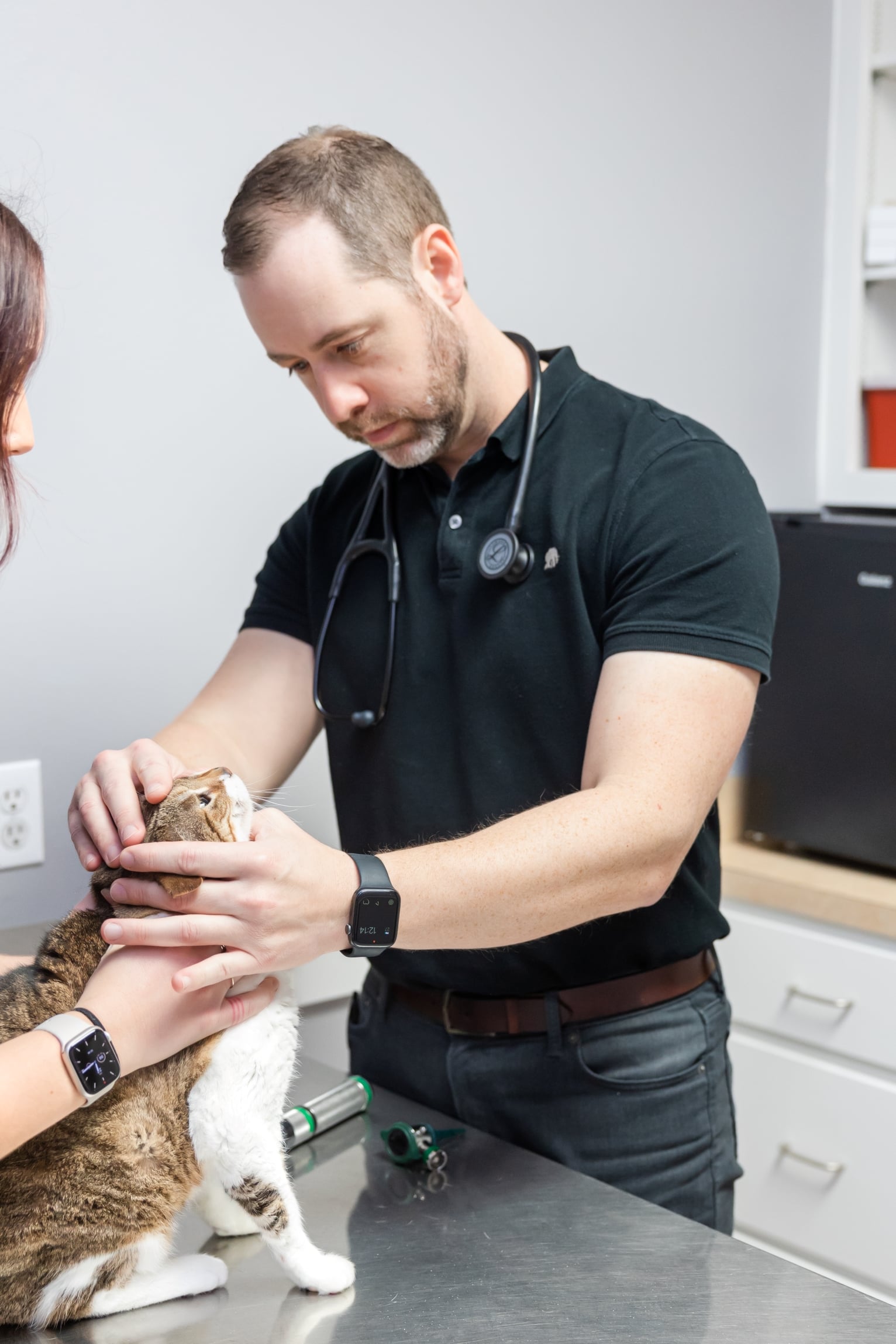
Pet wellness exams as a frame for safety Spay and neuter safety sits within the broader context of a practice that keeps wellness front and center. Regular pet wellness exams at Prairieville Animal Hospital help veterinarians spot concerns that could increase anesthesia risk or hamper recovery. A wellness visit can uncover a less obvious issue, such as a mild electrolyte imbalance or a dental problem that, if unaddressed, might complicate anesthesia or postoperative comfort. The philosophy is simple: preventive care reduces the chances of preventable complications.
If you’re preparing for a spay or neuter, you’ll find that the clinic’s approach is grounded in practical experience. The team walks you through what to expect, explains the rationale behind chosen medications, and offers hands-on guidance for after-care. You’ll hear about real-world considerations—whether a pet can safely go home the same day, how to supervise incision healing in a dog with a high energy level, or how much influence a pet’s temperament has on recovery.
Pet dental care and its relationship to anesthesia safety Dental health can influence anesthesia safety in subtle ways. An underlying dental infection can complicate healing and raise the risk of postoperative complications. Prairieville Animal Hospital places emphasis on dental health as part of a comprehensive health picture. A quick dental check during the wellness exam can inform anesthesia planning and pain management strategies. The idea is not only to protect surgical outcomes but also to improve long-term quality of life.
Edge cases and ongoing learning No two pets are exactly alike, which means safety plans must accommodate edge cases. For instance, a dog with a history of adverse reactions to certain sedatives requires careful substitution, close monitoring, and a plan to manage any unforeseen reaction. A cat with a shy temperament benefits from environmental stability and a handling approach that minimizes stress. Our team remains vigilant for these situations, ready to adjust and to communicate openly with families about potential tweaks to the plan.
The broader impact of safety on family experience Families often measure success not by the absence of problems, but by the clarity of communication and the ease with which they can manage recovery at home. Prairieville Animal Hospital emphasizes a patient-centric approach. We aim to empower you with knowledge, to anticipate common questions, and to provide a pathway that keeps your pet comfortable and safe. The relationship between a veterinary team and a family is built on trust and shared responsibility. A well-handled procedure creates a foundation for ongoing wellness and fewer urgent visits down the line.
Future directions and ongoing improvement The field of veterinary anesthesia and surgery continues to evolve. How do we stay current? We participate in continuing education, review outcomes, and learn from each case. The safety guidelines at Prairieville are not static; they are revised as new data becomes available, new medications are approved, and equipment advances. We use simulation training, share anonymized outcomes with the team, and invite families to discuss any concerns that come up as their pet approaches surgery. This collaborative mindset helps ensure every patient receives care that reflects the latest practical knowledge, not merely a protocol from years past.
Contextualizing safety within Prairieville animal hospital values Prairieville Animal Hospital has built its practice around a few core commitments: respect for animal comfort, transparent communication with families, and a pragmatic, experience-based approach to medical care. The spay and neuter safety guidelines reflect these commitments. They are tactile, not theoretical. They translate into the way the team greets you at the door, how the exam room feels after a stressful moment, and the consistency with which pain control modalities are applied. If you’ve ever watched a team member adjust a dose or probe for subtle signs of distress in a recovering pet, you’ve witnessed the practical heart of these guidelines in action.
A final note on partnership and ongoing care The outcome of spay and neuter safety rests on a partnership between clinic and family. You bring knowledge about your pet’s routine, behavior, and home environment. We bring the medical expertise, the monitoring, and the structured approach that has proven effective across many cases. That collaboration reduces risk and increases the likelihood of a smooth recovery. If you’re preparing for surgery, the best next step is a candid discussion with your Prairieville Animal Hospital team member. Bring questions, share concerns, and let the discussion evolve into a plan that respects your pet’s unique needs.
In summary, spay and neuter safety at Prairieville Animal Hospital is a multi-layered process grounded in practical experience. It starts with a careful preoperative assessment, continues with vigilant anesthesia management, and culminates in thorough postoperative care and clear home guidelines. It’s a collaborative effort aimed at protecting health, easing discomfort, and supporting families as they navigate the care journey together. The result is more than a successful procedure; it is the foundation of years of healthier, more manageable pet ownership.