30 September 2026
Prairieville Animal Hospital Veterinarians: Understanding Lab Diagnostics
Presented by @waylongsex759
Every day in the exam room, I watch the same moment play out with a patient who cannot tell us what hurts. A veterinary team leans in, not just with stethoscopes and syringes, but with numbers. Lab diagnostics translate heatless measurements into stories about organs, metabolism, and the body’s response to illness. At Prairieville Animal Hospital, this translation matters, because it steers treatment, influences prognosis, and often reduces discomfort for pets and worry for their people.
Lab work is not magic. It is a map drawn from a few careful samples, interpreted by people who know the species, the patient’s history, and how diseases behave in that particular clinic environment. When done thoughtfully, diagnostics become a partner in care rather than a hurdle between you and a treatment plan. The goal is precise information delivered with clear implications for what happens next.
What lab diagnostics do for Prairieville animals
When a veterinarian orders a lab panel, the aim is to answer questions that physical exams sometimes cannot resolve. A dog presenting with fatigue may have an electrolyte imbalance, a thyroid gland issue, or an early kidney concern that hides behind a normal physical exam. A cat coughing months after a viral infection could be dealing with asthma or a structural problem in the airways that needs imaging to confirm. In both cases, lab tests give us a baseline, a way to measure change over time, and a tool to monitor response to therapy.
Lab work also helps distinguish competing diagnoses that would require vastly different treatments. For instance, vomiting in a dog might stem from gastrointestinal irritation, kidney disease, or a toxin exposure. A blood panel, a urinalysis, and sometimes specific tests can quickly narrow the field from a wide list to a manageable handful of possibilities. That narrowing is essential in reducing unnecessary medications, preventing adverse drug reactions, and guiding owners toward practical daily management.
In practice, results are most powerful when interpreted in the context of the whole animal. A single number rarely tells the full story. Temperature, appetite, activity level, urination, drinking habits, weight change, and a pet’s history all feed into how we read lab data. The goal is to balance scientific precision with clinical intuition—recognizing patterns that point to a problem, while acknowledging that every patient has an individual baseline that may differ from textbook norms.
From sample collection to the moment you see numbers on a report, there is a workflow that matters. A skilled team ensures samples are collected correctly, stored appropriately, and transported with minimal time to analysis. The lab, whether in-house or at a reference facility, runs a series of validated assays, and results come back with reference ranges that are appropriate for species, age, and sometimes the animal’s size. The interpretation step is where the art of veterinary medicine shines: we correlate hydration status, protein levels, red and white blood cell counts, enzyme activities, and metabolites with the pet’s clinical picture.
Common tests and what they tell us
In the real world, clinics like Prairieville Animal Hospital rely on a core set of tests that provide immediate value across many problems. The exact panel you receive depends on the animal, its age, and the presenting signs, but the underlying principles hold. The aim is to capture a snapshot of organ function and systemic balance so we can decide on next steps. Here are some of the workhorse tests I encounter most days, with the practical takeaways they offer in the clinic.
-
Complete blood count (CBC) gives a broad view of the cellular components of blood. It is the frontline test for infection, inflammation, anemia, clotting issues, and some cancers. A CBC is like a general health check turned up to eleven: it alerts us to problems we cannot see with the naked eye and helps guide more targeted testing.
-
Chemistry panel reveals the chemistry of the blood. It quantifies electrolytes, kidney function markers like blood urea nitrogen and creatinine, liver enzymes, pancreatic enzymes, and glucose. When a pet feels off, this panel helps us decide whether the problem lies in the liver, kidneys, or elsewhere and whether dehydration is part of the picture.
-
Urinalysis examines urine composition and concentration, often complemented by a urine culture when infection is suspected. It informs us about kidney concentrating ability, urinary tract infections, and the presence of crystals or mineral imbalances that could predispose to stones. A simple urine sample can unlock clues about systemic disease as well as local urinary tract issues.
-
Blood glucose testing, commonly part of a chemistry panel or a dedicated test in at-risk patients, flags issues like diabetes mellitus or stress-related hyperglycemia. In dogs and cats, persistent abnormal glucose readings can prompt further endocrine exploration or dietary and medication adjustments.
-
Thyroid testing, particularly in older cats, helps uncover hypothyroidism or hyperthyroidism. Thyroid status influences energy, coat quality, heart rate, and overall metabolism, so targeted testing can dramatically alter management in a way owners notice within weeks.
-
Electrolyte panels and acid-base status are crucial in patients with dehydration, vomiting, persistent diarrhea, or kidney disease. Balancing potassium, sodium, chloride, and bicarbonate assists in stabilizing patients and guiding fluid therapy.
-
Specific disease tests and panels for preexisting conditions or high-risk breeds may include heartworm status in dogs, infectious disease panels in regional outbreaks, or autoimmune screens in certain symptomatic cats. These tests are not vanity panels; they are precise tools designed to catch disease before it becomes an emergency.
The relationship between results and treatment is rarely linear. Good clinicians read results in the context of the pet’s behavior, appetite, weight trajectory, and the owner’s observations. A borderline lab value might prompt a watchful waiting approach, while a sudden shift could trigger urgent intervention. The real skill lies in recognizing when numbers are the tipping point that changes the plan.
From the patient’s perspective, lab work is a collaborative process. The vet explains what each test measures in plain terms, what a normal range would look like for that animal, and what a result could mean for the day-to-day care of the pet. Owners learn not to fear a long list of acronyms, but to ask questions about what the test implies for the animal’s comfort, activity level, and prognosis. The aim is shared understanding, not information dumping.
A day in the life of a lab result
Consider a routine scenario I see often: a middle-aged dog presents with lethargy and occasional vomiting over the past week. The exam tells us little beyond mild dehydration and a stomach that seems a bit irritated. We run a CBC and chemistry panel, plus a urinalysis. The CBC shows a mild anemia but no extreme white cell response, the chemistry panel reveals a slightly elevated liver enzyme and a modestly high alkaline phosphatase, the urinalysis shows a concentrated urine with normal sediment. The interpretation hinges on the full picture. The elevated liver enzyme in a dehydrated dog can be a transient reflection of poor perfusion, a sign of a liver issue, or a consequence of a medication given earlier. The urine concentration points to possible dehydration or a kidney effect. The veterinarian may decide to correct hydration with fluids first and recheck in a few hours or the next day, depending on clinical suspicion.
If the results indicate something more worrisome—for instance, a marked increase in liver enzymes with additional signs like vomiting, abdominal pain, or jaundice—the plan changes. We might pursue abdominal imaging or a targeted blood test to differentiate between inflammation, infection, toxin exposure, or metabolic disease. In such moments, lab diagnostics do not merely inform us; they shape the path forward and help families allocate resources realistically.
The value of baselines and monitoring over time
Baseline data matter greatly in veterinary medicine. A healthy pet has numbers that look normal for that individual. When a pet returns months later with a new problem, those same tests become a compass. We compare new results to the established baseline to assess whether a therapy is working or if a disease is progressing. For chronic conditions such as kidney disease, diabetes, or thyroid imbalance, regular monitoring translates into more predictable management. The frequency varies with the condition, the pet’s stability, and the owner’s lifestyle. It is not unusual for a senior dog or cat to have three to four lab panels annually, especially as aging introduces new variables into the bloodstream.
Practical considerations for owners
Understanding what the lab work means in daily life helps families navigate the process with less anxiety and more confidence. Here are some practical points that tend to matter most in real-world clinics like Prairieville:
-
Preparation and sample quality matter. Kidney and liver function tests can be influenced by recent meals, hydration status, and medications. When a vet asks you to withhold food or adjust dosing before testing, it is not an arbitrary rule. It is about ensuring the numbers reflect the underlying biology, not a temporary artifact.
-
Timing can affect interpretation. Some results are acutely influenced by a short-term stress response, especially in cats. The so-called white coat effect can elevate certain markers. A recheck often settles those transient shifts and avoids overreacting to a momentary fluctuation.
-
In-house versus reference-lab testing. In-house machines provide rapid results that help with urgent decisions, such as stabilizing a dehydrated patient or evaluating an acute crisis. Reference laboratories extend the range of tests, offering more specialized markers and sometimes greater statistical power. The lab choice is usually a blend, prioritizing speed when necessary and precision when the clinical question requires it.
-
Costs and value. Diagnostics carry a cost that must be balanced against the potential benefit. A targeted panel that changes management is a prudent investment, while a test with marginal impact on the plan might be deferred to a follow-up visit. In practice, we discuss the likely scenarios and set expectations for what the numbers could alter in terms of treatment, monitoring, and follow-up.
-
The role of owner observations. The pet’s behavior, energy levels, appetite, water intake, and urination patterns enrich the context of any lab result. Owners who document changes between visits provide a richer narrative for the veterinarian, making interpretation more precise and decisions more targeted.
Interpreting results and next steps
When a client receives a lab report, the language can feel clinical, almost like a foreign script. The basic approach that I’ve found works well centers on three questions: What does this number tell us about the organ or system? How confident are we in this reading given the animal’s current state? What does the next step look like in terms of treatment, monitoring, or lifestyle changes?
If a result is clearly abnormal, the next steps might include:
- Confirming the finding with a repeat test to rule out lab noise or transient factors.
- Ordering a follow-up panel focused on the suspected organ system to track progression or improvement.
- Initiating or adjusting therapy, such as adding a medication, changing a diet, or modifying fluids and electrolytes.
- Pursuing imaging like ultrasound or radiographs to correlate the lab data with anatomical findings.
- Referring to a specialist when the diagnostic picture becomes complex or when specialized expertise is necessary for targeted care.
In many cases, the path is iterative rather than linear. A pet may need several rounds of testing to fully characterize a problem. The process has to be paced with the animal’s comfort and the family’s capacity to manage follow-up appointments. The veterinary team at Prairieville Animal Hospital aims to pair clear explanations with practical steps, ensuring owners feel involved in every decision.
Edge cases and thoughtful nuance
Lab diagnostics do not operate in a vacuum. Certain scenarios demand careful interpretation that goes beyond standard reference ranges. For example:
-
Normal results in a pet with non-specific symptoms can be reassuring, yet not definitive. If the owner remains concerned, we may explore more sensitive tests or seasonal patterns that could reveal low-grade disease.
-
Age-related changes complicate interpretation. An older animal may have chronic mild abnormalities that are not clinically threatening. Distinguishing between age-associated shifts and new disease requires clinical judgment and, sometimes, a longer observation window.
-
Intercurrent illness and medications alter lab values. Recent infections, steroids, antibiotics, or even vaccines can influence markers in subtle ways. Each medication and condition deserves careful consideration when analyzing the results.
-
Species- and breed-specific norms matter. A gray area exists where reference ranges do not perfectly fit every individual. Clinicians rely on experience, but also on open communication with owners about what is typical for their pet’s life stage and history.
-
Intermittent diseases require persistence. A panel may be normal on one day and abnormal on another in conditions like certain endocrine disorders or episodic infections. In such cases, the clinical plan often includes scheduled rechecks aimed at capturing the pattern.
A note on the Prairieville practice experience
The veterinarians and technicians at Prairieville Animal Hospital bring years of hands-on experience in a busy, mixed-animal practice. The lab suite, whether run in-house or via a trusted reference lab, is integrated into a workflow designed to minimize stress for the patient and to maximize clarity for the owner. I have learned to respect the moment when a result arrives that aligns perfectly with a history and physical exam, and I have learned patience when the data push us toward additional tests or referrals. The skill is to read the story the numbers tell and to translate that story into a plan that fits the family’s goals as well as the animal’s needs.
Case-by-case communication matters more than jargon
In the end, the value of lab diagnostics lies in how well they are communicated. A good veterinary team does not dump findings and walk away. We sit down with the owner, show a brief summary of what the numbers mean, and map out the next steps in concrete terms. We talk about how the pet will feel once a treatment is implemented, what signs to watch at home, and when to return for follow-ups. The most important part of the conversation is acknowledging what matters to the owner—the pet’s comfort, the ability to continue normal routines, and the peace of mind that comes with understanding the animal’s health status.
Two practical examples from real cases can illuminate how these conversations unfold without revealing anything confidential or sensational. In the first, a senior cat with weight loss and intermittent vomiting had a CBC and chemistry panel that revealed a mild anemia and modest liver enzyme elevation, with a urinalysis showing no infection. The team explained that while there were hints of a possible liver issue, dehydration or medication effects could be contributing. A repeat panel after a short hydration protocol helped confirm stability, and the plan shifted toward a gentle diet modification and closer monitoring of weight over six weeks. The second case involved a dog with lethargy and increased thirst. The lab work pointed toward possible diabetes or an endocrine imbalance. A few weeks of home glucose monitoring, paired with a targeted thyroid and kidney panel, helped narrow the diagnosis and avoid unnecessary drugs, resulting in a tailored treatment plan that improved energy and appetite within a month.
The broader picture: why diagnostic work matters
Lab diagnostics are not about chasing numbers for their own sake. They anchor clinical decisions in data, but the ultimate aim is practical improvement in a pet’s daily life. This often means a balance between rapid bedside decisions and the slower, more precise logic of specialized testing. animal clinic prairieville la The team at Prairieville Animal Hospital views diagnostics as one of several tools in a shared toolbox. The best outcomes arise when we combine careful assessment with compassionate communication, ensuring that each patient’s care plan aligns with the owner’s expectations and the animal’s welfare.
If you are navigating a new health concern for your pet at Prairieville Animal Hospital, you can expect a process that is thorough yet approachable. You’ll meet a team that explains why a test is being ordered, what the results could mean, and what the plan will look like moving forward. You will not be left with numbers that feel abstract or disconnected from your daily life. Instead, you will receive a clear narrative that ties lab data to your pet’s comfort and your family’s routine.
In practice, the strength of lab diagnostics lies in the synthesis of science and experience. The numbers tell a story, but the story gains life when told by someone who has walked with dozens of patients through similar journeys. This is how diagnostics become a steady compass in veterinary care, guiding us toward treatment that works, with fewer false starts and more reliable improvements.
If you ever wonder what a lab report really means, remember that the value is not in a single number alone but in how that number interacts with the whole patient. A slightly elevated enzyme, a modest shift in electrolyte balance, or a normal result that still leaves a few questions can all point toward a different path of care. The veterinary team at Prairieville Animal Hospital is trained to listen for those subtleties and to translate them into actions that protect what matters most: a pet’s health and a family’s peace of mind.
A closing note on partnership and ongoing care
The most durable outcomes come from ongoing collaboration between veterinarians and pet owners. Lab diagnostics provide a shared language you can use with your team, a way to understand where your pet stands today and where they might go tomorrow. If your pet has recently undergone testing, or if you are considering a diagnostic approach for a new concern, the conversation can be ongoing and iterative. It is not a one-time event but a journey. With patience, reliable testing, and clear communication, you can feel confident that you and your veterinarian are navigating the landscape of pet health together.
Two lists to illuminate what to expect
-
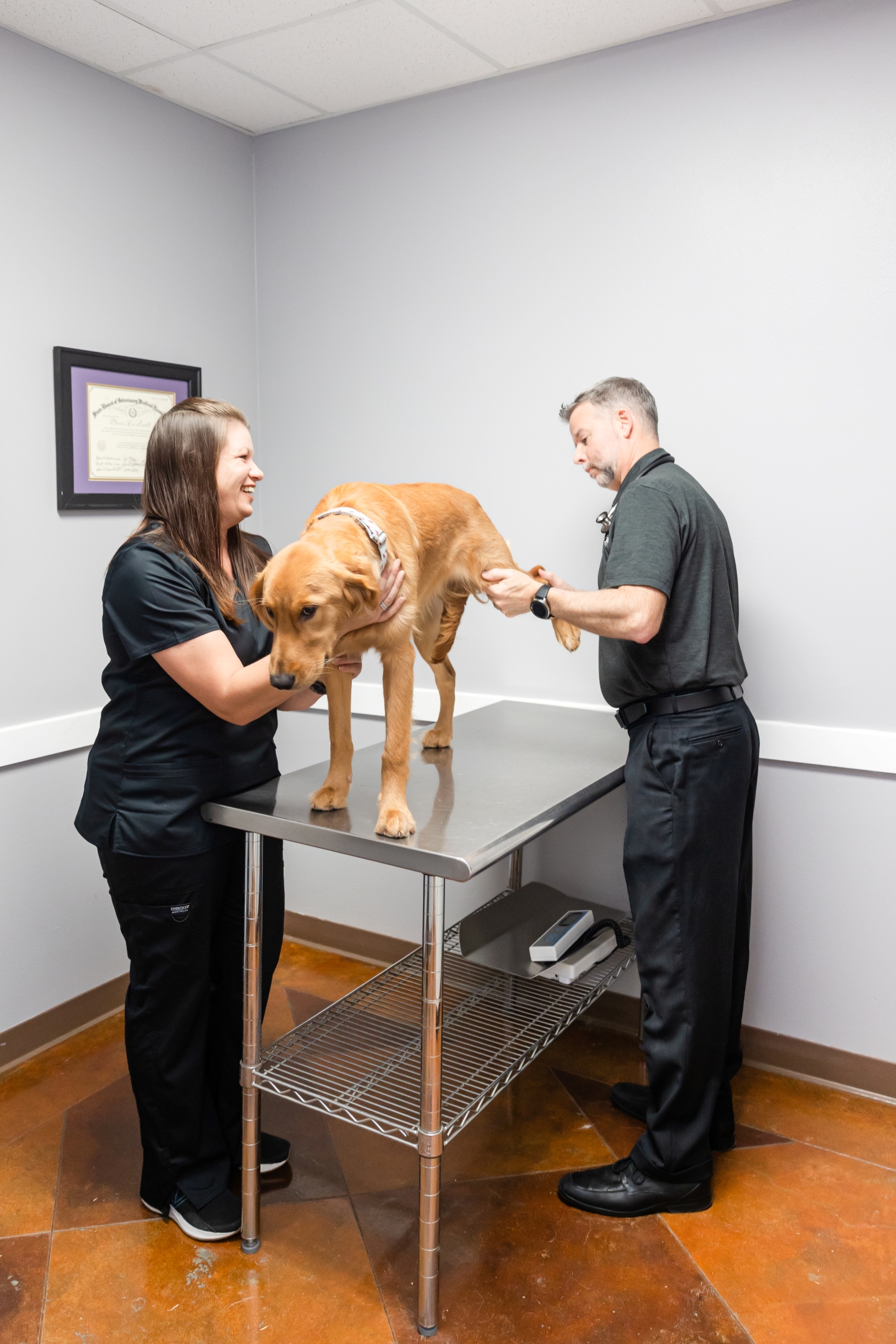
What a typical lab workup might include for a dog or cat with non-specific symptoms:
-
Complete blood count
-
Chemistry panel
-
Urinalysis
-
Optional thyroid testing for older cats or at-risk dogs
-
Additional tests based on clinical suspicion
-
Practical actions owners can take when labs are ordered:
-
Bring a fresh urine sample if requested, or plan for a collection at the clinic
-
Note any medications or supplements that could influence results
-
Ask about the timing of rechecks and what changes to watch for at home
-
Discuss the plan if results are inconclusive, including potential referral
-
Maintain open communication and share any new symptoms promptly
In short, lab diagnostics at Prairieville Animal Hospital are designed to be clear, practical, and actionable. They are not an endpoint but a means to an improved quality of life for your pet. The team works to ensure that every number carries meaning, every discussion leads to a plan that makes sense for your family, and every result moves you one step closer to a healthier, happier animal.